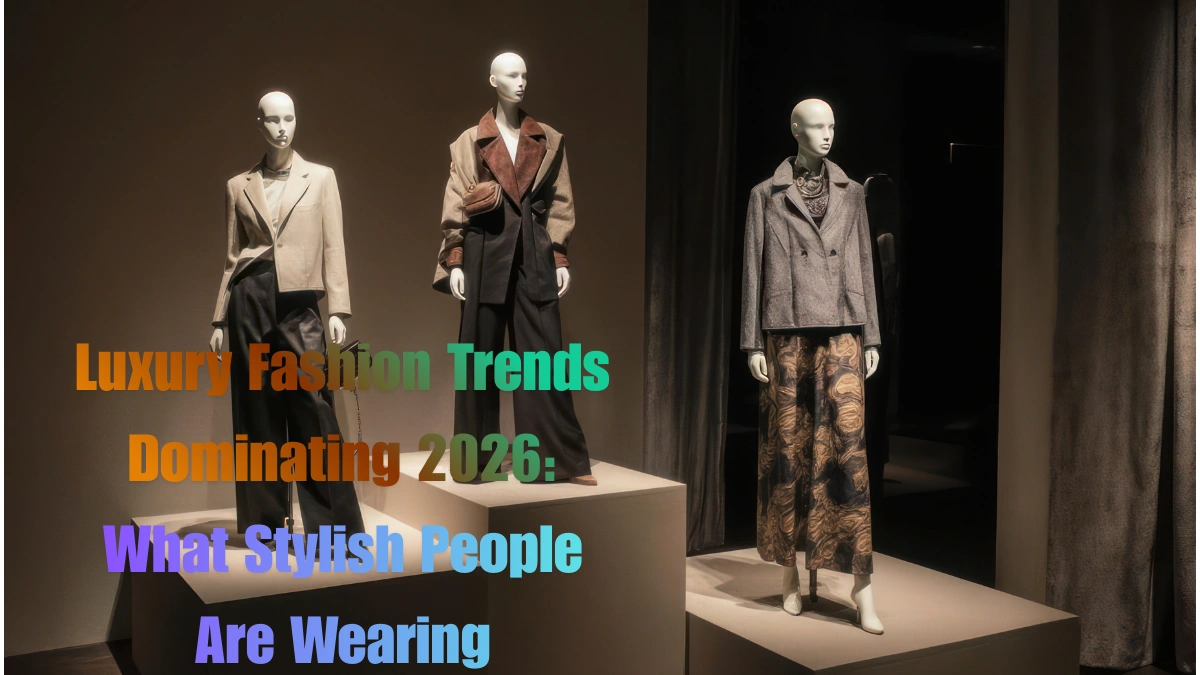
Luxury fashion in 2026 is no longer just about expensive labels or bold logos. The modern definition of luxury has evolved into something more refined, personal, and intentional. Today’s stylish individuals are choosing quality over quantity, timeless aesthetics over short-lived hype, and comfort blended with sophistication. Designers and fashion houses are focusing on craftsmanship, sustainability, and versatility, creating trends that feel both aspirational and practical. From quiet luxury outfits to tech-integrated fashion pieces, 2026 is shaping up to be one of the most transformative years for premium style.
The Rise of Quiet Luxury and Minimal Elegance
One of the biggest luxury fashion movements dominating 2026 is quiet luxury. Instead of flashy branding, fashion enthusiasts are embracing subtle elegance. Clean tailoring, neutral color palettes, and high-quality fabrics define this trend.
Stylish individuals are investing in structured blazers, tailored trousers, silk shirts, and minimalist dresses that look effortlessly expensive. Shades like beige, ivory, camel, charcoal, and soft grey dominate wardrobes because they create a polished and timeless appearance. Quiet luxury emphasizes confidence through simplicity rather than loud fashion statements.
Luxury fashion now focuses heavily on elevated basics. Everyday clothing pieces such as white shirts, denim, knitwear, and simple dresses are redesigned using premium materials and precision tailoring.
High-quality cotton, cashmere blends, organic wool, and sustainable silk are increasingly popular. Consumers are shifting away from fast fashion toward durable wardrobe essentials that maintain shape and elegance over time. This change reflects a smarter and more conscious approach to fashion consumption.
Sustainable Luxury Taking Center Stage
Sustainability has become one of the strongest pillars of luxury fashion in 2026. Buyers now value ethical sourcing, responsible manufacturing, and environmentally friendly fabrics.
Luxury brands are adopting recycled textiles, plant-based dyes, and low-impact production methods. Limited collections and timeless designs are encouraging slow fashion habits, reducing waste while maintaining exclusivity and craftsmanship.
Relaxed Tailoring and Comfort-Driven Sophistication
Comfort continues to shape modern luxury fashion. Relaxed tailoring replaces overly rigid silhouettes, allowing clothing to feel both elegant and wearable.
Wide-leg trousers, oversized blazers, soft suits, and flowing dresses are becoming everyday luxury staples. These outfits transition easily between professional environments and social occasions, matching the flexible lifestyles of modern consumers.
Statement Outerwear Leading Fashion Looks
Outerwear is becoming the centerpiece of luxury styling. Long wool coats, leather trench coats, oversized jackets, and structured capes are defining premium fashion looks in 2026.
Instead of complex layering, stylish individuals rely on one strong outerwear piece to elevate a simple outfit. High-quality craftsmanship makes outerwear one of the smartest long-term fashion investments.
Monochrome Styling for a Polished Appearance
Monochrome dressing continues to gain popularity among luxury fashion enthusiasts. Wearing one color throughout an outfit creates visual harmony and sophistication.
Popular shades include cream, chocolate brown, navy, muted pastels, and earthy tones. Monochrome styling simplifies outfit coordination while making the overall look appear refined and expensive.
Accessories That Focus on Craftsmanship
Luxury accessories in 2026 emphasize durability and artistry rather than excessive decoration. Structured handbags, minimal jewelry, premium leather footwear, and elegant watches dominate styling choices.
Consumers are choosing fewer accessories but investing in timeless pieces designed to last for years. Handcrafted finishes and classic designs ensure long-term relevance.
Technology Meets Luxury Fashion
Technology is increasingly influencing luxury fashion. Smart fabrics, digital measurements, and AI-powered styling tools allow brands to deliver personalized fits and recommendations.
These innovations help reduce production waste while improving customer experience. Luxury fashion is becoming more customized, efficient, and sustainable through technological advancement.
Gender-Neutral Luxury Fashion Growing Rapidly
Gender-neutral fashion is becoming a major movement in luxury design. Designers are creating versatile clothing that prioritizes comfort, expression, and inclusivity.
Relaxed silhouettes, neutral colors, and adaptable designs allow individuals to style clothing freely without traditional fashion boundaries.
Luxury Fashion Trends 2026 Overview Table
| Trend | Key Characteristics | Popular Materials | Why It’s Trending in 2026 |
|---|---|---|---|
| Quiet Luxury | Minimal logos, clean tailoring | Cashmere, silk, wool | Focus on subtle elegance and timeless style |
| Elevated Basics | Premium everyday essentials | Organic cotton, knitwear | Quality over quantity mindset |
| Sustainable Luxury | Eco-friendly production | Recycled fabrics, plant dyes | Rising environmental awareness |
| Relaxed Tailoring | Comfortable yet refined fits | Lightweight wool, linen | Lifestyle shift toward comfort |
| Statement Outerwear | Strong single layering pieces | Leather, wool blends | Investment fashion trend |
| Monochrome Styling | Single-color outfits | Neutral fabric palettes | Easy sophistication |
| Craftsmanship Accessories | Minimal but premium designs | Leather, precious metals | Long-lasting fashion investments |
| Fashion Technology | AI styling and smart fabrics | Tech-integrated textiles | Personalization and innovation |
| Gender-Neutral Fashion | Inclusive silhouettes | Soft structured fabrics | Changing cultural preferences |
| Investment Dressing | Timeless wardrobe pieces | Durable luxury materials | Sustainable fashion mindset |
Investment Dressing and Timeless Wardrobes
Luxury consumers are now focusing on investment dressing. Instead of chasing seasonal trends, they build wardrobes around timeless essentials that remain stylish for years.
Classic trench coats, tailored suits, premium handbags, and high-quality shoes are viewed as long-term fashion investments. This approach supports sustainability while maintaining consistent personal style.
Conclusion: Luxury fashion trends in 2026 reflect a shift toward thoughtful dressing, premium craftsmanship, and timeless elegance. Modern style is defined by confidence, sustainability, and versatility rather than excess. Stylish individuals are investing in pieces that combine comfort, quality, and long-term value.
Disclaimer: This article is for informational and fashion awareness purposes only. Fashion trends may vary based on individual preferences, regions, and lifestyle choices. Readers should select styles that best match their personal comfort and budget.